
科学・技術 Science/Tech – Level 1

A mysterious star was found (謎の星の発見)– Level 1

Let’s read aloud first. 最初に声を出して読んでみましょう。
In 2018 a new star was found by a student in Western Australia. This star is a neutron star. It is small and heavy. This star switches on and off light every 18 minutes. The light is so blight. People were surprised to see it. This was not the normal star. Scientists think that they cannot find such stars any more. The stars were seen through a telescope.
neutron star (中性子星), every 18 minutes (18分おきに), blight (明るい), any more (今後,これ以上), telescope (望遠鏡)
Questions:
- When was this star found?
(この星はいつ発見されましたか?) - Who found the star?
(誰がこの星を発見しましたか?) - Was it bright?
(その星は明るいですか?) - What did the scientists use to look at the stars?
(科学者は何を使ってこの星を見ますか?) - Do you like watching the stars at night? Why?
(あなたは星を見るのが好きですか? 何故ですか?) - What is your opinion?
(あなたはどう思いますか?)
The Heaviest Strawberry (世界一重いイチゴ)– Level 1
Let’s read aloud first. 最初に声を出して読んでみましょう。
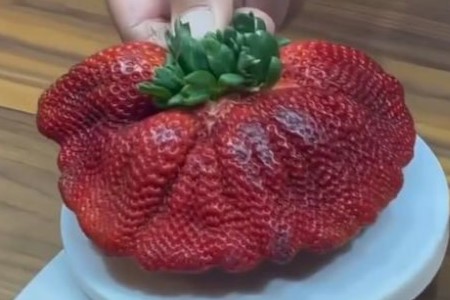
18 centimeters long strawberry in Israel broke Guinness record. Weight of it was 289 grams and was ten times larger than a normal strawberry. The second biggest strawberry was found in Japan and weight of it was 250 grams. The strawberry became big because the weather was cooler than usual and there was no sunlight for a long time.
broke (break破る,打ち立てる の過去形), weight (重さ), ten times (10倍), became (become成長する の過去形), weather (気候)
Questions:
- How heavy was the strawberry broke Guinness record?
(ギネス記録を打ち立てたイチゴの重さはいくらですか?) - Where did the strawberry grow?
(そのイチゴはどこで育ちましたか?) - Where did the second biggest strawberry grow?
(2番目に大きなイチゴはどこで育ちましたか?) - Why did the strawberry grow bigger?
(なぜそのイチゴは大きくなったのですか?) - Do you like strawberries? Why?
(あなたはイチゴが好きですか? 何故ですか?) - What is your opinion?
(あなたはどう思いますか?)
The Flying Vehicle (空飛ぶ車)– Level 1
Let’s read aloud first. 最初に声を出して読んでみましょう。
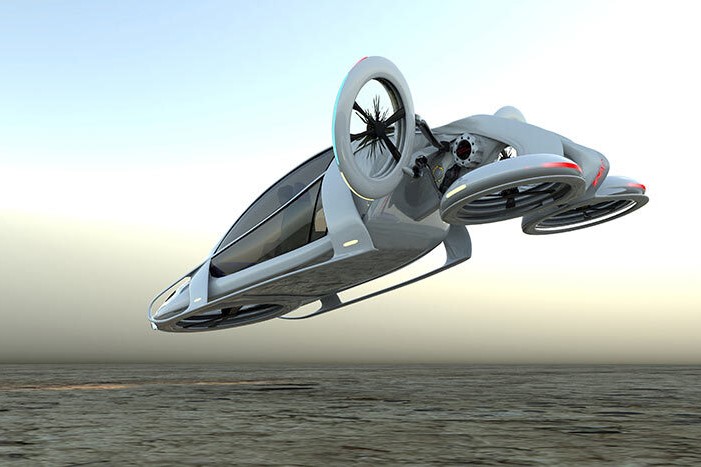
A new vehicle looks like a disc was made by a US company that changed how people travelled. This vehicle is electrical so it doesn’t make any gas. This vehicle has the eight motors and it can fly in the sky. It is said that in the future, rescuers and doctors can fly on this to save people.
vehicle (車両), disc (皿の様に平たい物体), electrical (電動の), it is said that(と言われている), rescuer (救助者)
Questions:
- Who made the flying vehicle?
(誰が空飛ぶ車を作りましたか?) - Have you been on an electric vehicle?
(今まで電気自動車に乗ったことはありますか?) - How many motors does it have?
(その車はいくつのモーターを積んでますか?) - Who can fly on this to rescue people in the future?
(将来、誰がこの車に乗って人々を救助しますか?) - What is your opinion?
(あなたはどう思いますか?)
The Fish Eating Spider (魚を食べる蜘蛛)– Level 1
Let’s read aloud first. 最初に声を出して読んでみましょう。
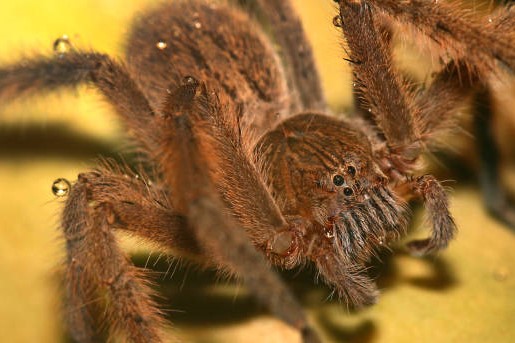
A new type of spiders is discovered. The fish bigger than them is caught and eaten. These spiders live near rivers, lakes and ponds in Florida. The spiders can swim and walk on water. Size of spiders is six centimeters. They can be underwater for more than 30 minutes. It can bite and use poison to kill the fish.
discover (発見する), caught (catch捕まえる の過去分詞), live (生息する), underwater (水中), bite (咬む), poison (毒)
Questions:
- How big is the spider?
(その蜘蛛の大きさはどの位ですか?) - Is the fish eaten smaller than spiders?
(食べられる魚は蜘蛛よりも小さいですか?) - Where do these spiders live in Florida?
(その蜘蛛はフロリダのどこら辺に住んでますか?) - Have you seen spiders that eat fish?
(今まで魚を食べる蜘蛛を見たことはありますか?) - What is your opinion?
(あなたはどう思いますか?)
Miraculous bats (奇跡のこうもり) – Level 1
Let’s read aloud first. 最初に声を出して読んでみましょう。
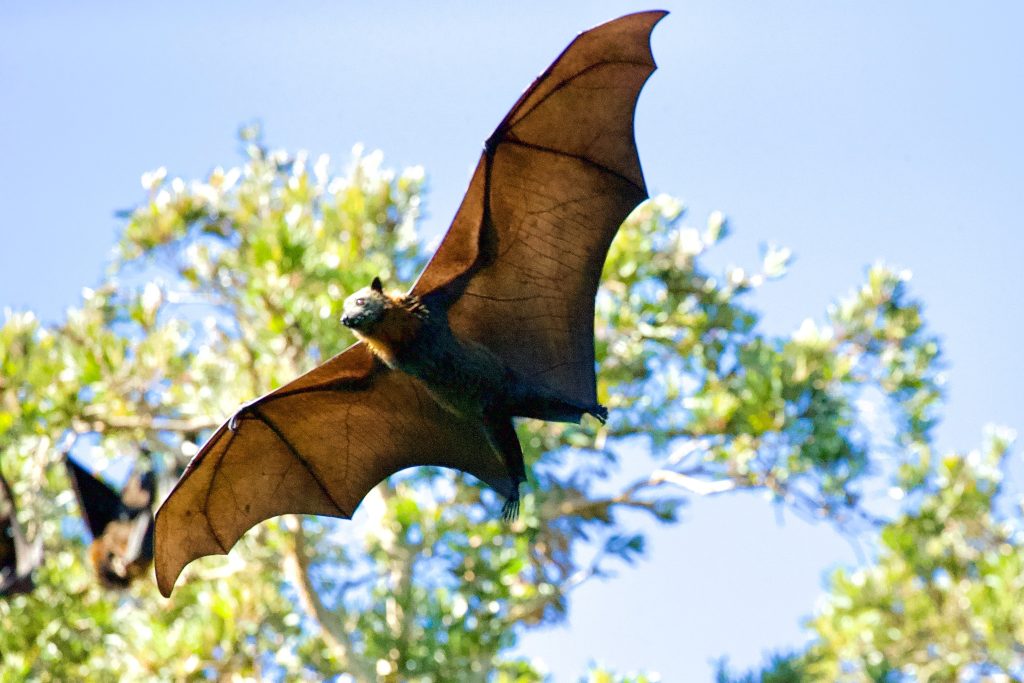
Coronavirus comes from bats. There are about 1300 kinds of bats in the world. They live in caves and forests. Bats are known as the miraculous animal. They can live over 40 years without cancer or infections. It can give the important information to us. They help to make the balance of the ecosystem. They eat insects destroy the farm. We have to see the nature from the various angles.
cave (洞窟), forest (森), miraculous (奇跡の), cancer (癌), infection (感染症), ecosystem (環境), farm (農場), various angle (様々な角度)
Questions:
- What virus comes bats?
(何のウイルスがこうもりから発生しましたか?) - How many kinds of bat are there in the world?
(何種類のこうもりが世界中に生息してますか?) - Where do bats live?
(こうもりはどこに住んでますか?) - How long years can bat live?
(こうもりは何年間生きますか?) - How do the bats make the balance of ecosystem?
(こうもりはどの様にして環境のバランスを維持してますか?) - What is your opinion?
(あなたはどう思いますか?)
The Smelly Flowers (臭い花)– Level 1
Let’s read aloud first. 最初に声を出して読んでみましょう。
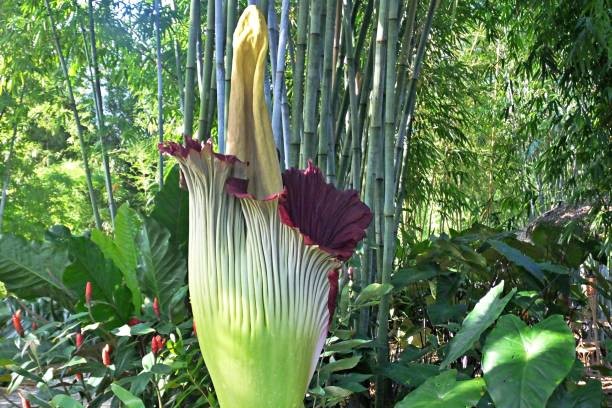
There is a smelly flower in a botanic garden in Belgium. This is famous because it smells bad. Though it smells bad, visitors still come near flower and smell it. The flower takes between three to ten years for it to grow fully. These flowers open only for two days.
smelly (くさい), botanic garden (植物園), smell (においがする, においをかぐ), fully (完全に)
Questions:
- Why is the flower famous?
(なぜ花は有名なのですか?) - Where does this flower grow?
(その花はどこで育てられていますか?) - How long does this flower take to grow?
(その花が育つのに何年かかりますか?) - How many days do the flowers open?
(その花は何日間咲きますか?) - What is your opinion?
(あなたはどう思いますか?)
Elephants that smoked (タバコを吸う象)– Level 1
Let’s read aloud first. 最初に声を出して読んでみましょう。
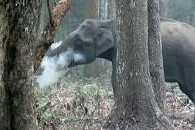
Staff of national park in India took a video of an elephant. This elephant ate charcoal and blew out ash. Doctors say it is healthy for the animals to eat charcoal. Charcoal is the medicine for the animal. The elephants looked like they were smoking.
national park (国立公園), charcoal (木炭), blow out (吐き出す, blew=blow吐く の過去形), ash (灰), healthy (健康的な), look like (みたいだ), smoke (タバコを吸う)
Questions:
- Who took the video of the elephants?
(誰が象のビデオを撮影しましたか?) - What did the elephants eat?
(象は何を食べてましたか?) - Is it healthy to eat charcoal?
(木炭を食べることは健康に良いですか?) - Have you seen elephants eat charcoal?
(あなたは象が木炭を食べるのを見たことがありますか?) - What is your opinion?
(あなたはどう思いますか?)
Lucky landing (幸運の着陸)– Level 1

Let’s read aloud first. 最初に声を出して読んでみましょう。
A Brazilian plane had to have an emergency landing but it was too heavy. Due to this, the pilot made the plane lighter by letting some fuel out of it. The front wheels of the plane were not working. Luckily the plane lands well and no is injured.
emergency landing (緊急着陸), due to (そのため), make lighter (軽くする), let some fuel out (燃料を減らして), front wheel (前輪), work (稼働する), be injured (怪我をする)
Questions:
- What did the pilot do to make the plane light?
(パイロットは飛行機を軽くするのに何をしましたか?) - Were the front wheels of the plane working properly?
(前輪はきちんと稼働しましたか?) - Was anyone in the plane injured?
(機内の誰かがけがをしましたか?) - What is your opinion?
(あなたはどう思いますか?)
The collection of old Apple devices (アップル製品のコレクション)– Level 1

Let’s read aloud first. 最初に声を出して読んでみましょう。
A man named Jimmy Grewal loves Apple’s computers. He lives in Dubai. He has about 200 computers covers almost all models Apple made. He always tries to get two same computers and restores both then he sells one of both to get other models. He could sell the first model, Apple-1, and got US$340,000.
cover (を含む), almost (ほとんど), restore (修復する), both(両方)
Questions:
- Who collects computers?
(誰がコンピューターを集めていますか?) - What does Jimmy collect?
(Jimmyは何を集めましたか?) - How does Jimmy get the other models?
(Jimmyはどうやって新たなモデルを集めていますか) - How much amount could he get by selling Apple-1?
(Apple-1 を売却して彼はいくら手に入れましたか?) - What is your opinion?
(あなたはどう思いますか?)
The Projection of a Face (顔への映像投影)– Level 1
Let’s read aloud first. 最初に声を出して読んでみましょう。
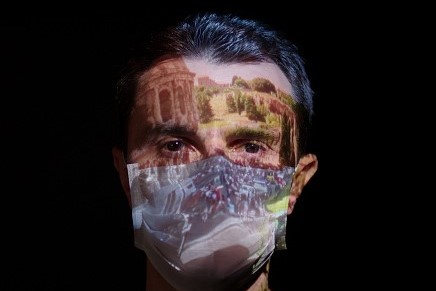
A Japanese artist, Nobumichi Asai, shows films on the faces of people. The film was projected in a 3D form. This technology is called 3D projection-mapping. The film showed Japanese culture, technology and animation. It is new style of art and really fascinating.
show (映す), project (投影する), in a 3D form (3次元で), technology (テクノロジー), style (形式), fascinating (魅力的)
Questions:
- Where were the films projected on?
(どこに映像が投影されますか?) - Who started projecting films on faces?
(誰が顔への映像投影を始めましたか?) - What does he project on the peoples face?
(彼は顔へ何を投影しましたか?) - Have you seen a film being shown on a face?
(あなたは顔への映像投影を見たことがありますか?) - What is your opinion?
(あなたはどう思いますか?)